What Is Vestibular Disease In Pets?
Diagnosing and treating Idiopathic Vestibular Disease
Pets with Vestibular Disease present with symptoms like those of brain injuries or strokes in humans. There are a number of causes of this disease that can include inner ear infections, some ear medications, antibiotics, tumours, meningitis, nasal polyps, trauma, or they can be idiopathic (where a cause cannot be identified).
When diagnosed, vestibular disease is not treated directly. It is the underlying cause that is treated. The good news is, veterinary treatments of the underlying cause often result in complete recovery which can occur within a matter of days. However, the symptoms that initially appear can be a terrifying experience for pet owners who have not experienced them before.
Symptoms
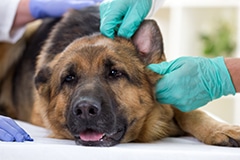
 Wobbliness or an inability to walk
- Turning to one side or walking in tight circles
- Head tilt
- Involuntary eye movements
- Nausea
- Vomiting
 Wobbliness or an inability to walk
Emergency treatment before transport to a veterinarian
Take note of all the symptoms that are concerning you. If you pet is receiving any medication or had their ears cleaned recently, take the products with you for identification. Pets who appear to be seizuring will need to be transported in a pet carrier (or laundry basket) with blankets for comfort.
If you suspect your pet is having a seizure, avoid startling them or handling them mid-seizure. Wait for their recovery and gently place them in a towel or pet carrier for transportation.
What to expect at the vet
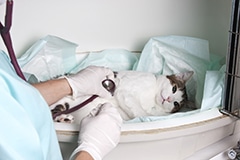
- Blood tests
- Ear examinations for infection
- Advanced imagery such as a CT scan or MRI
- Treatment for the cause of the disease. This can be antibiotics or more aggressive treatment depending upon the cause.
- Hospitalisation for intravenous fluid therapy (IV drip) and IV antinausea medications in severe cases
 Blood tests
Prevention
There are so many causes of Vestibular Disease it is difficult to outline preventative measures. It is important you only clean your pet’s ears with solutions recommended by your veterinarian and avoid inserting objects like cotton buds or other narrow devices. Treat all ear infections as soon as they are detected and seek veterinary advice to ensure they are not getting any worse. Know the signs of vestibular disease and the information you will need to give the consulting veterinarian (medication, ear cleaners, medical history) if your pet shows these symptoms.

Heat Stroke symptoms | Kidney Failure in pets | 2016 Patient testimonials
Related Posts

Transporting Your Sick Or Injured Pet

Pet Trauma Symptoms And Advice