Pets With Insect Bites Or Stings
Advice for pets bitten by insects or spiders
Insect bites and stings are very common in Perth, and the effects on pets can range from very mild through to life threatening or even fatal.
 Symptoms
 Symptoms
- Sudden onset of pain e.g. yelping, whining, limping.
- Licking, chewing, pawing and scratching at the bite or sting site.
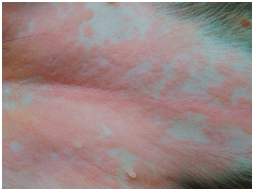
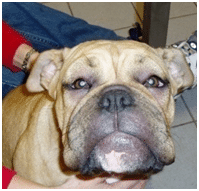
- Redness and swelling – this can be local (i.e. around the bite or sting site only) or occur all over the body, especially on the face. See images below.
- Hives – also known as ‘welts’ or ‘urticaria’. These are lumps that can suddenly appear on the body in response to an allergic reaction.
- Vomiting.
- Coughing or difficulty breathing.
- Sudden collapse and unconsciousness – this reaction is called anaphylaxis and is often fatal if not treated quickly.
Your pet should be examined immediately by a veterinarian if they have been outside or in the garden, and then vomit, have trouble breathing, collapse or develop facial swelling.
Emergency Treatment before transport to a veterinarian
If the stinger can be easily found, you can attempt to scrape it out with a plastic card (e.g. a bank card), or other thin, rigid object. Tweezers can be used to remove the sting, ideally without placing any pressure on the venom sac. If you do not feel confident that you can remove the sting without putting pressure on the venom sac, let a vet remove it (as you risk additional venom being injected into your pet).
You can apply a cool compress to the bite site to provide relief while waiting to see a vet or whilst transporting your pet.
Do not ever give your pet human medication as the drugs and doses are different for animals and consequences are unpredictable. These may include heavy sedation, dangerously low blood pressure, vomiting and diarrhoea. It is important to only ever give medication prescribed by your vet.
What to Expect at the Vet
Injectable antihistamines.
Injectable anti-inflammatory medications.
In severe cases injectable adrenaline.
Oxygen – this is needed if your pet is having difficulty breathing or is in shock.
Intravenous fluid therapy and medications – if your pet is in shock.
Other supportive medications e.g. antacids to reduce stomach ulcers.
The majority of insect bites and stings are quick and easy to treat and have an excellent prognosis. Anaphylaxis, however, is a very serious problem resulting in life-threatening shock that can lead to organ damage (and even failure) in some cases. These patients require hospitalisation for intensive care, occasionally for extended periods of time. With appropriate and timely medical therapy, many of these patients recover.
Snake Bites | Pet CPR | Seizuring Pets | Non Toxic Plants
Related Posts
Transporting Your Sick Or Injured Pet

Pet Trauma Symptoms And Advice